9 Ways Epic Fantasy Helps You Find Your Purpose
Last Updated: November 4, 2026
Quick Summary
Epic fantasy helps readers reflect on destiny and purpose through two kinds of stories: destiny stories that ask who you are meant to become, and wisdom stories that ask what you learn on the road. Its heroes leave home, face danger, and return changed, mirroring the search for meaning most of us carry.
- Destiny stories ask who you are meant to become, while wisdom stories ask what you are learning along the way.
- Destiny stories often follow four stages: the call and refusal, the false map, the chosen burden, and the answering.
- Wisdom stories often feature mentors who withhold answers, forcing the hero to reach insight themselves.
- Choosing between the two starts by naming the question you are carrying right now.
- The strongest epic fantasy often braids destiny and wisdom together, so the search for purpose itself teaches wisdom.
Table of Contents
- Why Epic Fantasy Speaks to the Search for Purpose
- Destiny Stories: Discovering Who You Are Meant to Be
- Wisdom Stories: Learning Through the Journey Itself
- Fantasy Stories About Finding Yourself: Identity and Belonging
- Emotional Fantasy Storytelling and Why the Stakes Matter
- Epic Fantasy Themes: Faith, Courage, Sacrifice and Love
- Choosing Your Next Journey Through Dream of Dreams
- Frequently Asked Questions
Every reader who has ever closed a fantasy novel and felt a little more certain about who they are has experienced something real. Epic fantasy has a quiet power to ask the questions we are often too busy to ask ourselves: Why am I here? What am I meant to do with the life I have been given? At Dream Of Dreams, we believe these stories matter, and this guide explores how epic fantasy invites readers to think about destiny, purpose, and the wisdom gained along the way.
Why Epic Fantasy Speaks to the Search for Purpose
Epic fantasy is the literature of the long road. Its heroes leave home, face danger, and return changed, or they stay and find that the real journey happened inside them. That structure mirrors the search for purpose most of us carry quietly through our working years, our relationships, and our hard seasons.
Fantasy also gives us distance. A reader can watch a character stumble, doubt, and rise again without the defensiveness that comes with self-help advice. The reader is free to see the lesson before accepting it as their own.
Destiny Stories: Discovering Who You Are Meant to Be
Destiny stories are built around a central question: is the hero meant for something, or do they choose it? The best examples refuse to make the answer simple. A prophecy may name a chosen one, yet the character still has to decide whether to answer the call. That decision, not the prophecy, is where the story lives.
It helps to see how destiny stories actually work. Most of them run on a recognizable pattern:
- The call and the refusal. A sign, a stranger, or a wound points the hero toward a role they did not ask for. The refusal matters because it shows the cost of answering.
- The false map. The hero believes purpose means one specific thing, then discovers the map was incomplete. This is where destiny stories do their deepest work.
- The chosen burden. Purpose arrives as weight, not privilege. The hero must carry something for others, which is why destiny stories so often overlap with sacrifice.
- The answering. The hero acts, and the act reveals who they were becoming all along.
For readers, this tension is often the most useful part. It invites reflection on whether purpose is found, made, or some blend of both. A destiny story does not usually hand you an answer; it hands you a mirror. You watch a character wrestle with a calling and, somewhere in the middle of their wrestling, you notice your own.
This is also where destiny stories differ from wisdom stories. A destiny story asks who am I meant to become? A wisdom story asks what am I learning on the way? The first leans on identity and belonging; the second leans on reflection and growth. Many readers need the first when they feel lost, and the second when they feel tired.
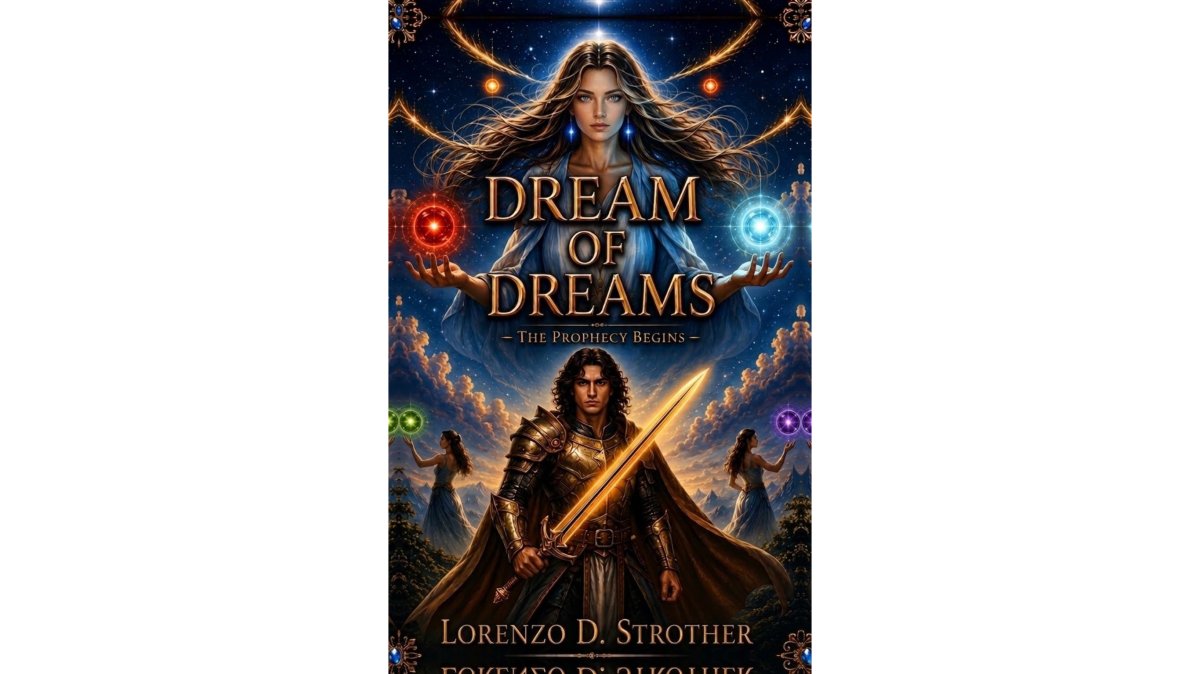
In Dream of Dreams: The Prophecy Begins, Tzuri's path unfolds within a world of spiritual mysteries and dangerous journeys, where the question of what one is meant to become carries real weight. The story does not treat destiny as a simple label. It treats it as something a person has to grow into.
If you are in a hard season, the destiny question can feel heavy. You may not know what you are meant to do next. A gentler way to hold it is this: purpose is often revealed in motion, not in stillness. You take the next small step, and the path becomes a little clearer.
What I am meant to be is not a name I have to guess, but a door I keep walking toward until the walking makes me ready.
That is the promise destiny stories make, and the reason they stay with us long after the last page.
The four stages most destiny stories follow are easy to scan at a glance.
| Stage | What happens | Why it matters |
|---|---|---|
| The call and the refusal | A sign, stranger or wound points the hero toward a role | The refusal shows the cost of answering |
| The false map | The hero believes purpose means one specific thing | Destiny stories do their deepest work here |
| The chosen burden | Purpose arrives as weight, not privilege | Destiny overlaps with sacrifice |
| The answering | The hero acts | The act reveals who they were becoming |
Wisdom Stories: Learning Through the Journey Itself
Not every fantasy story asks where the hero belongs. Some ask what the hero learns along the way. These wisdom stories treat the road as the teacher. A companion's loyalty, a mentor's hard truth, or a single act of sacrifice can teach more than any destination.
Where a destiny story is organized around identity, a wisdom story is organized around transformation. The hero may not change rank or role at all; what changes is how they see. That is a different kind of emotional payoff, and it is worth knowing which one you are in the mood for.
A few patterns show up again and again in wisdom-driven fantasy:
- The mentor who withholds. The guide gives just enough to force the hero to think. The lesson lands only when the hero arrives at it themselves.
- The companion who costs something. Loyalty tested by hardship teaches more about love than any speech could.
- The quest that fails its stated goal. The object is lost, but the hero gains something the object could never have given.
- The quiet return. The hero comes home changed in ways no one else can see. The wisdom is internal, and the story trusts the reader to feel it.
This is where epic fantasy overlaps with philosophical fiction. Readers who love allegorical works will recognize the pattern: a quest that becomes a lesson in patience, humility, and courage. For more reading on this theme, see fantasy books that teach virtues and good character. The wisdom is not handed over in a lecture. It is earned, one chapter at a time.
Here is a practical way to choose between the two experiences, whether you are reading or writing:
- Name the question. If the question is who am I?, lean toward a destiny story. If it is what have I learned?, lean toward a wisdom story.
- Name the central conflict. Destiny stories usually pit the hero against a calling. Wisdom stories pit the hero against their own assumptions.
- Name the emotional payoff. Destiny stories deliver belonging and resolve. Wisdom stories deliver insight and a quieter kind of peace.
- Name the ending you want to feel. A destiny story often ends with the hero stepping into a role. A wisdom story often ends with the hero setting a burden down.
Watch out: treating these as opposites can flatten a story. The strongest epic fantasy usually braids them together, so a character's search for purpose becomes the very thing that teaches them wisdom. If you are writing, let the destiny question generate the lessons. If you are reading, notice when a story is doing both at once; that is often where the deepest emotional fantasy lives.
For readers in a hard season, wisdom stories can be a gentle companion. They remind us that the difficult road is not wasted. Even the chapters that felt like detours were teaching us something we could not have learned any other way.
The road did not give me the answer. It gave me eyes. And slowly, mile by mile, I learned to see.
Fantasy Stories About Finding Yourself: Identity and Belonging
Identity is one of the oldest themes in fantasy. Characters discover hidden lineages, forgotten gifts, or a sense of home they never expected. These discoveries resonate because many readers have wondered where they fit in.
Belonging is equally central. Fellowship, friendship, and loyalty give heroes a reason to keep going when the road turns dark. A well-written fantasy story shows that we rarely find ourselves alone. We find ourselves in the people who walk beside us.
Emotional Fantasy Storytelling and Why the Stakes Matter
Emotional fantasy is a distinct reader experience. The magic and the monsters matter, but the heart of the story is what the characters stand to lose. When stakes are personal, a reader stops watching the plot and starts feeling it.

Here is a simple test for any fantasy you are considering: do you care what happens to the characters, and does their struggle feel like something you recognize? If the answer is yes, the story is doing its work. Emotional fantasy invites us to hold hope and grief together, which is often exactly what a hard season requires.
If you are going through a difficult time, please know that you are not alone. Stories can be a gentle companion. As one reader's heart might whisper, the light we seek is often closer than it appears. Hold on to what gives you hope, and let the journey remind you that every chapter, including the difficult ones, is part of a larger story.
Epic Fantasy Themes: Faith, Courage, Sacrifice and Love
Four themes appear again and again in the best epic fantasy: faith, courage, sacrifice, and love. Faith asks a character to trust what they cannot yet see. For a companion piece on trusting the path ahead, read Transforming Purpose into Legacy. Courage asks them to act despite fear. Sacrifice asks what they are willing to give up for others. Love asks why any of it matters at all.
These themes are universal. Readers of many backgrounds find meaning in them, whether they approach faith as personal conviction or simply as hope in something greater. Dream of Dreams explores these threads through a world of angels, spiritual symbolism, and the struggle between good and evil.
Choosing Your Next Journey Through Dream of Dreams
If this article has stirred something in you, you may be ready for a story that asks the same questions. Explore the books of Lorenzo Strother to see where this journey leads. Dream of Dreams: The Prophecy Begins is a fantasy adventure written for adult readers who love quests, spiritual mystery, and characters who must grow to meet their destiny.
You can begin without any commitment. Read the prologue and Chapter 1 free at dreamofdreams.com and see whether Tzuri's journey speaks to you. For current editions and pricing, please visit the website directly.
Frequently Asked Questions
What makes an epic fantasy story emotionally powerful?
Emotional power in epic fantasy usually comes from stakes that feel personal. When a character must choose between loyalty and self-preservation, or when a friendship is tested by distance and danger, readers feel the weight of those decisions. Strong worlds matter too, but the emotional core is what stays with you. Look for stories where love, sacrifice and faith are tested in concrete ways, not only described in grand terms.
Can reading fantasy help you understand yourself better?
Fantasy can offer readers some distance from their own struggles. A character facing a hard quest can make a reader ask what they would do in that position, and what they truly value. This reflection is not a substitute for professional support, but it can open useful conversations with yourself. Keep a notebook nearby while you read and jot down the moments that stir you most.
What is the difference between destiny and personal choice in fantasy?
In many fantasy stories, destiny sets the path while choice determines how a character walks it. Some tales present a prophecy that the hero must fulfill, while others let characters reject or reshape what has been foretold. The most satisfying stories often blend both, showing that purpose can be given but must still be claimed through daily decisions.
Where can I start reading Dream of Dreams?
You can read the prologue and Chapter 1 free at dreamofdreams.com. That gives you a chance to meet Tzuri, explore the richly imagined world and decide whether the story's themes of faith, friendship and purpose speak to you. Current editions and purchase options are listed on the same site.
