How to Understand a Cozy Fantasy Book
Last Updated: November 1, 2026
Quick Summary
A cozy fantasy book is a fantasy story built around comfort rather than catastrophe, with small-scale conflicts, warm settings, and characters who grow through friendship instead of warfare. The stakes stay personal, and magic usually shows up in kitchens, gardens, and village squares rather than on battlefields.
- You can usually recognize a cozy fantasy within a chapter: the prose slows and meals get described.
- Cozy fantasy raises the fate of a Tuesday, while epic fantasy raises the fate of a world.
- Low stakes means close to home, not no stakes; emotional loss can still land hard.
- Start with mood, not genre: name whether you want gentle humor, quiet healing, or soft adventure.
- When in doubt, read the first chapter at bedtime and see if you feel calmer.
Table of Contents
- What a Cozy Fantasy Book Actually Is
- Cozy Fantasy Characteristics: How to Spot One
- Cozy Fantasy vs Epic Fantasy: Where the Line Falls
- Cozy Fantasy Romance and the Bonds That Carry the Story
- How to Choose Cozy Fantasy Books That Fit You
- Finding Your Place in a Gentler Kind of Fantasy
- Frequently Asked Questions
What a Cozy Fantasy Book Actually Is
A cozy fantasy book is a fantasy story built around comfort rather than catastrophe: small-scale conflicts, warm settings, and characters who grow through friendship instead of warfare.
That definition matters because so many readers arrive at cozy fantasy exhausted. They want wonder without dread, a story they can read before sleep and carry gently into the next day.
At Dream Of Dreams, we think of fantasy as a place where imagination can soften or sharpen a reader's experience.
Cozy Fantasy Characteristics: How to Spot One
You can usually recognize a cozy fantasy within a chapter. The prose slows down. Meals get described. A stranger becomes a friend before anyone becomes a villain.
The most reliable signals:
- Narrow scope. The story stays in one town, one shop, one household, or one small circle of people.
- Low-stakes conflict. Problems are real but survivable: a failing business, a misunderstanding, a spell gone slightly wrong.
- An optimistic tone. The narrative trusts that things can improve.
A Practical Checklist for Identifying Cozy Fantasy
Use this quick test when a cover or blurb leaves you unsure:
- Does the conflict threaten a person or a household rather than a kingdom?
- Would you describe the mood as comforting, wholesome, or hopeful?
- Do friendships and community carry more weight than combat?
If most boxes are ticked, you are holding a cozy fantasy. If only one or two are, you may have a traditional fantasy with a warm streak. Readers who want fantasy with warmth and moral depth can find more in this collection of fantasy books that teach virtues and good character.
Cozy Fantasy vs Epic Fantasy: Where the Line Falls
The difference between cozy fantasy and epic fantasy comes down to stakes, scope, and tone.
Epic fantasy tends to be action-driven, with armies, prophecies, and long journeys across maps. Cozy fantasy narrows the frame.
Here is how the two sit side by side:
| Element | Cozy Fantasy | Epic Fantasy |
|---|---|---|
| Stakes | Personal, small-scale | World-altering |
| Scope | One place, few characters | Many regions, large cast |
| Pacing | Slow, character-driven | Escalating, plot-driven |
| Tone | Comforting, optimistic | Tense, often dark |
| Conflict | Misunderstanding, daily trouble | War, prophecy, catastrophe |
| Magic | Domestic and gentle | Vast and dangerous |
| Ending | Rest and belonging | Victory, often at cost |
Neither is superior. A reader who loves epic fantasy may still reach for cozy fantasy on a hard week. The genres serve different hungers, and a full shelf holds both.
Where Cozy Fantasy Ends and Its Neighbors Begin
Epic fantasy is the easiest contrast, but most confusion happens between cozy fantasy and the genres that sit right beside it. A few working boundaries help:
- Romantasy. Romantasy centers a romance plot with fantasy as its stage; the relationship is the engine and often the point. Cozy fantasy can include romance, but community, setting, and daily life carry equal weight.
- Slice-of-life fantasy. Slice-of-life lingers in ordinary moments with little plot pressure. Cozy fantasy usually still has a gentle arc, a problem to solve, a shop to save, a friendship to mend.
- Cozy mystery. Cozy mystery shares the intimate scale and community cast, but its engine is a puzzle: a crime, a sleuth, a resolution. Cozy fantasy may borrow that structure, which is why the labels sometimes overlap.
A useful rule of thumb: ask what the book is about at its center. If the answer is a relationship, it leans romantasy. If it is a puzzle, it leans cozy mystery. If it is a place and the people who make it home, you are in cozy fantasy.
What Low Stakes Really Means (and What It Doesn't)
Low stakes does not mean no stakes. This is where the label gets misread most often.
In a cozy fantasy, the stakes are emotional and relational. A character can lose a friendship, a home, or a sense of self, and that loss lands hard because the story has made us care.
So when you see "low stakes," read it as "close to home." The conflict is smaller in scale, not smaller in meaning.
For readers drawn to fantasy where courage and sacrifice carry real weight, our own adventure travels a darker road, exploring faith, love, friendship, and the struggle between good and evil.
Cozy Fantasy Romance and the Bonds That Carry the Story
Romance sits naturally inside cozy fantasy because both forms trust slow growth. A cozy fantasy romance builds connection through shared meals, small kindnesses, and patient conversation rather than grand gestures.
Friendship often carries equal weight. Many cozy fantasy books center a friendship or found family as the true love story, with romance as one warm thread among several, part of the appeal for readers who want belonging without melodrama.
How to Choose Cozy Fantasy Books That Fit You
Most cozy fantasy lists hand you a stack of titles and wish you luck. A better approach is to know what kind of comfort you are hungry for, then match the book to that appetite.
Start with mood, not genre. Ask what kind of comfort you want: gentle humor, quiet healing, or a soft romance. Then match the book to your energy level.
A Reader-Focused Discovery Framework
Instead of browsing an undifferentiated list, sort candidates along a few axes. You can do this with blurbs and sample pages in a few minutes.
- Mood. Decide whether you want gentle humor (mischief, banter, a slightly chaotic household), quiet healing (grief, rest, slow recovery), or soft adventure (a small journey with low peril). Naming the mood first narrows the field faster than any genre tag.
- Romance level. Cozy fantasy ranges from no romance to a central slow-burn courtship. If you want friendship as the true love story, look for found-family language in the blurb. If you want a gentle romance, look for slow burn, second chance, or friends to lovers.
- Magic level. Some cozy fantasy is nearly magic-free; others are lush with domestic magic, enchanted kitchens, talking animals, small mending spells. Match the magic to your taste for wonder versus realism.
- Setting. Ask whether you want a cottage, a bookshop, a bakery, a coastal town, or a traveling caravan. Setting is often the real promise of a cozy book, and the easiest thing to screen for.
- Format and access. If you rely on audiobooks for commutes or bedtime, check availability before you fall in love with a cover. A soothing narrator can make a cozy book feel even cozier, and a mismatched one can break the spell.
A Simple Five-Minute Test
Once a book passes the framework, run this quick check:
- Name your need. Stress relief, escapism, or comfort reading after a long day.
- Check the scope. Prefer a single setting and a small cast if you want to settle in.
- Read the tone. A few sample pages will tell you whether the voice soothes or unsettles.
- Look at content warnings. Cozy does not mean empty; some books still touch grief or loss.
- Follow your curiosity. If a blurb makes you smile, that is data too.
A word of honesty: personal taste matters more than any label. A book can be shelved as cozy and still leave you cold, and a darker fantasy can feel like home. Genre conventions describe patterns, not promises.
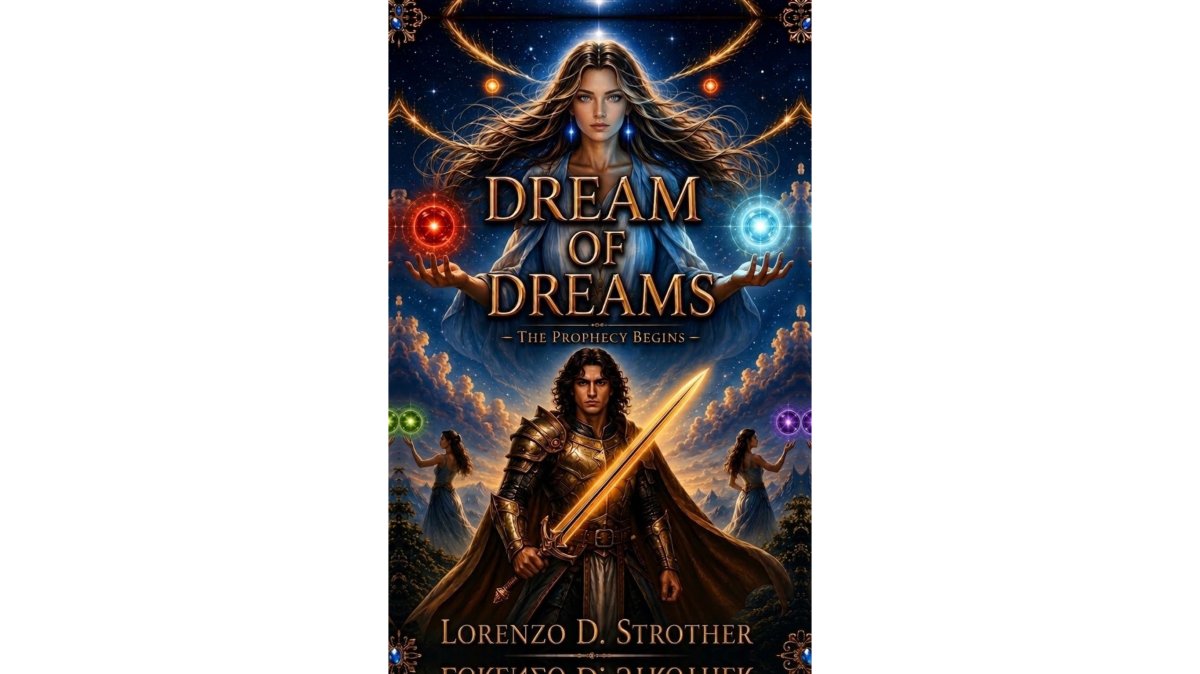
If you are ready to browse, you can explore the books of Lorenzo Strother, including the fantasy adventure Dream of Dreams.
Finding Your Place in a Gentler Kind of Fantasy
There is a particular kind of reader who finds cozy fantasy at exactly the right moment. Perhaps the world has been loud. Perhaps the year has been heavy.
If that is where you are, you are welcome here. You can also read latest reflections and insights from the author's desk on faith, leadership, and the power of narrative.
And if you would like to begin a deeper journey, one that carries peril and hope together, we invite you to read the prologue and Chapter 1 free at https://dreamofdreams.com.
Frequently Asked Questions
Does cozy fantasy have to include romance?
No. Romance is common in cozy fantasy, but it is not a requirement. The heart of the genre is comfort, community, and a small-scale conflict resolved with warmth. Some cozy fantasy books center on friendship, found family, or a character rebuilding an ordinary life, with no romantic thread at all. If you want the romance, look for cozy fantasy romance as a distinct flavor. If you don't, plenty of titles offer the same gentle atmosphere without it. The tone matters more than the pairing.
Can cozy fantasy include danger or serious themes?
Yes, within limits. Cozy fantasy can hold real danger, grief, or moral weight, but the danger usually stays contained and the story leans toward hope rather than despair. What separates it from darker fantasy is the promise that the characters and their community will largely come through. Readers often check content notes before starting, since cozy is a tone rather than a guarantee that nothing difficult happens. If you want peril without bleakness, this subgenre can deliver it.
How is cozy fantasy different from epic fantasy?
The difference comes down to stakes, scope, and tone. Epic fantasy follows world-spanning conflicts, armies, and a hero carrying the fate of everything, while cozy fantasy keeps the conflict local and the cast small. Epic fantasy often builds toward a climactic confrontation; cozy fantasy builds toward a settled, warm resolution. Neither is better. Knowing which you want on a given day, a grand quest or a quiet corner of a fantastical world, is the whole point of the distinction.
Is cozy fantasy a good choice for readers looking for a gentler story?
For many readers, yes. Cozy fantasy is often chosen as comfort reading because it offers escapism without exhausting tension, which can help when life already feels heavy. The optimistic tone and focus on belonging make it a gentle companion during hard seasons. That said, gentle is subjective, so read a sample or the opening chapter before committing. If a story's atmosphere feels right to you, the label matters less than how the pages make you feel.
Some seasons ask for a grand quest, and some ask for a warm room and a story that believes in you. Wherever this season finds you, may your next book meet you with kindness. Begin with the free prologue and Chapter 1 at Dream Of Dreams, where Tzuri's journey through faith, friendship, and the Four Spiritual Rubies is waiting, and discover a fantasy adventure built to steady you for the road ahead.
